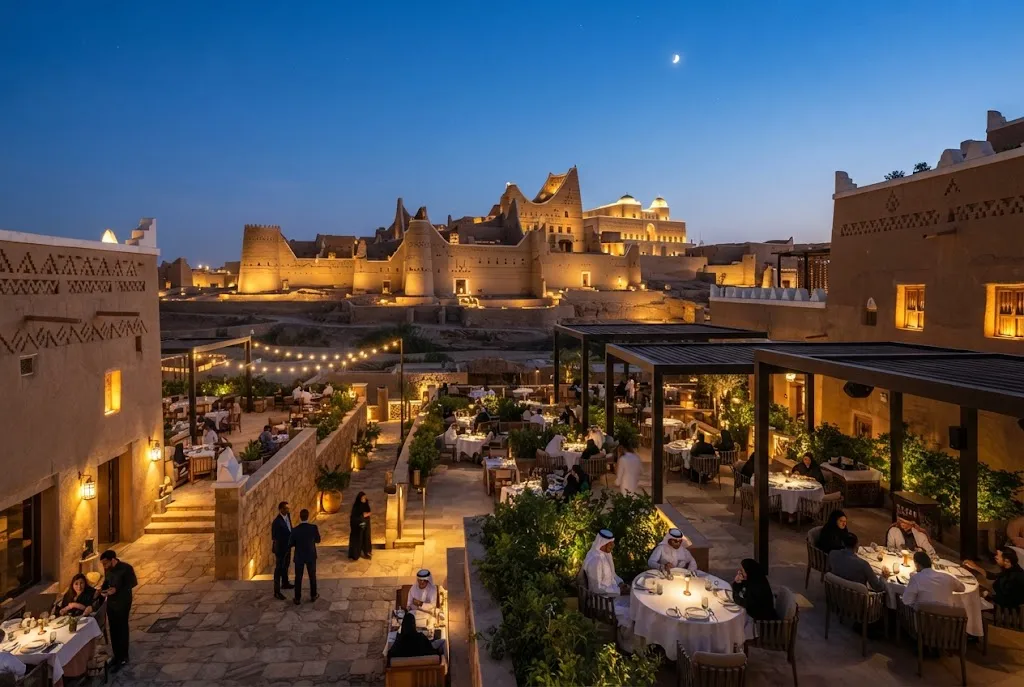
Diriyah is much more than a modern dining destination. It is closely connected with the history of the Saudi state and the cultural identity of the Kingdom. At-Turaif, the historic district at its core, was the capital of the First Saudi State and was inscribed as a UNESCO World Heritage Site in 2010.
Today, the surrounding Diriyah development is creating a contemporary destination around that heritage, with Bujairi Terrace providing one of the area’s most recognizable places for food, cafés, shopping and evening experiences.
What Is Diriyah Gate?
Diriyah Gate refers to the major cultural and urban development transforming historic Diriyah into a destination centered on heritage, hospitality, culture, dining and contemporary Saudi life.
Rather than separating the historic district from modern visitor experiences, Diriyah’s development places them side by side. The result is a destination where visitors can walk through historic mud-brick architecture, learn about the origins of the Saudi state and then move into restaurants, cafés and cultural experiences designed for today’s visitors.
Diriyah describes itself as the birthplace of the Kingdom of Saudi Arabia and the ancestral home of the Al Saud family. The city developed around Wadi Hanifah and became the capital of the First Saudi State in the 18th century.
What Is Bujairi Terrace?
Bujairi Terrace is a dining and lifestyle destination in Diriyah overlooking the historic At-Turaif area. It combines restaurants, cafés, retail and pedestrian-friendly outdoor spaces with views and surroundings inspired by the heritage of the Najd region.
The official Diriyah destination describes Bujairi Terrace as a place where world-class cuisine meets Najdi charm. Its restaurant collection has evolved since the destination opened, with international concepts alongside experiences connected to Saudi and regional flavors.
This combination is what makes Bujairi Terrace particularly distinctive. A visitor can come primarily for dinner, but the setting encourages a much broader experience involving architecture, heritage, photography, shopping and an evening walk through Diriyah.
Why Is Diriyah Important to Saudi History?
To understand Bujairi Terrace, it helps to understand the heritage surrounding it.
Diriyah was established in the Wadi Hanifah area and later became the capital of the First Saudi State. At-Turaif formed the political and historic center of that period and preserves a distinctive example of Najdi architecture.
UNESCO describes At-Turaif as an outstanding example of a traditional settlement in the central Arabian plateau and highlights its mud-brick architecture, palaces and urban layout.
That heritage remains visible throughout the modern destination. Earth-toned walls, traditional forms, narrow passages, courtyards and Najdi-inspired design help create a strong visual connection between the contemporary visitor experience and the historic environment.
At-Turaif: The Historic Heart of Diriyah
At-Turaif is the part of Diriyah that visitors should not overlook.
The district is a UNESCO World Heritage Site and was once the seat of the Emirate of Diriyah and the First Saudi State. Its mud-brick structures and restored heritage spaces provide a direct connection to the political, architectural and social history of the region.
The official Diriyah destination currently presents At-Turaif as a place for guided and self-led exploration, with museums, heritage attractions and an audio tour available as part of the visitor experience.
For visitors who are primarily interested in modern restaurants, At-Turaif adds something important to the trip: context. Dining at Bujairi Terrace becomes more meaningful when you understand the historic landscape immediately around it.
Why Bujairi Terrace Is Different From a Typical Riyadh Dining District
Riyadh has no shortage of restaurants and cafés, but Bujairi Terrace offers a setting that changes the character of the dining experience.
Instead of placing restaurants in a conventional shopping mall or modern commercial street, Bujairi Terrace sits within a destination designed around Diriyah’s cultural identity. Traditional architectural references, pedestrian areas and views toward historic surroundings create an atmosphere that is difficult to reproduce elsewhere in the city.
The official Bujairi Terrace destination currently features a range of international restaurant and café concepts, including Italian, French, Mediterranean and international options, while Diriyah’s wider dining portfolio also includes Saudi-focused experiences.
What Can You Eat at Bujairi Terrace?
The food offering is intentionally broad, making Bujairi Terrace suitable for different occasions rather than one specific type of meal.
Depending on the current restaurant lineup, visitors can find international cuisines, cafés, desserts, casual dining and more refined restaurant experiences. The destination’s official dining directory is the best place to check the latest venues before visiting because restaurants and operating arrangements can change.
The wider Diriyah culinary concept is built around a combination of contemporary international flavors and Saudi traditions. This creates an interesting contrast: the architecture and surroundings communicate Najdi heritage while the food can take visitors across several culinary traditions.
Saudi Food and Najdi Culinary Heritage
Although Bujairi Terrace is known for international dining, Diriyah’s food identity is not limited to global restaurant brands.
Saudi cuisine is an important part of the destination’s broader cultural story. Traditional dishes, dates, coffee, rice-based meals, grilled meats, breads and regional recipes are connected to the hospitality traditions that have long shaped gatherings across Saudi Arabia.
Visitors interested in food can therefore use a Diriyah trip to explore both sides of Saudi dining: contemporary restaurants and the culinary traditions that have developed across the Kingdom.
For a broader look at Saudi food culture, visitors can also explore our Saudi specialty coffee guide before planning their Diriyah food experience.
Najdi Architecture at Diriyah
Architecture is one of the strongest reasons to visit Diriyah.
Traditional Najdi architecture developed in response to the central Arabian environment. Mud-brick construction, compact forms, courtyards and decorative geometric details helped create buildings suited to local conditions while establishing a recognizable architectural identity.
UNESCO identifies At-Turaif as an outstanding representation of Najdi architectural and decorative traditions, including the use of adobe in major structures.
Modern Diriyah developments draw inspiration from this visual language rather than simply reproducing historic buildings. This creates a contemporary environment that still feels connected to the region’s architectural heritage.
Best Time to Visit Diriyah and Bujairi Terrace
For most visitors, the evening is particularly appealing because the destination combines dining with illuminated heritage surroundings and cooler outdoor conditions during the Kingdom’s cooler months.
However, operating hours vary by destination and can change seasonally. The official Diriyah website currently lists Bujairi Terrace operating hours from morning into late evening, with different closing times depending on the day. At-Turaif currently has separate evening hours.
During special seasons, festivals and public events, schedules may change again. Check the official Diriyah website immediately before your visit rather than relying on an old schedule.
How Long Should You Spend in Diriyah?
A quick restaurant visit can fit into a couple of hours, but visitors interested in heritage should allow considerably more time.
A fuller itinerary can include:
- Exploring At-Turaif
- Walking through the surrounding heritage areas
- Visiting Bujairi Terrace
- Having coffee or a meal
- Exploring current cultural experiences and events
- Taking photographs of Najdi-inspired architecture
- Browsing boutiques and retail experiences
The official Diriyah visitor information currently presents the destination as a combination of heritage, dining, boutiques and events rather than a single attraction.
Diriyah Gate for Families
Diriyah can work well for families because the experience does not depend entirely on sitting inside a restaurant.
Families can combine heritage exploration with food, outdoor walking and seasonal cultural activities. Diriyah’s wider program also includes experiences designed around storytelling, crafts, children and family activities during specific seasons.
Parents should check event dates and age requirements where applicable, especially when planning around a specific seasonal program.
Diriyah for Couples and Evening Dining
For couples, Bujairi Terrace offers a natural evening itinerary: arrive around sunset, explore the surrounding heritage atmosphere, have dinner or coffee and continue walking through the destination afterward.
The combination of outdoor spaces, architectural details and restaurant terraces makes the experience different from a standard restaurant reservation in central Riyadh.
The atmosphere is particularly suited to visitors who want their dining experience to be part of a larger evening rather than the entire activity.
Diriyah for International Visitors
International travelers can use Diriyah as an introduction to Saudi history without leaving Riyadh.
At-Turaif provides historical context, while Bujairi Terrace offers a contemporary interpretation of Saudi hospitality. Together, they show how the Kingdom is presenting its heritage alongside modern tourism, dining and cultural experiences.
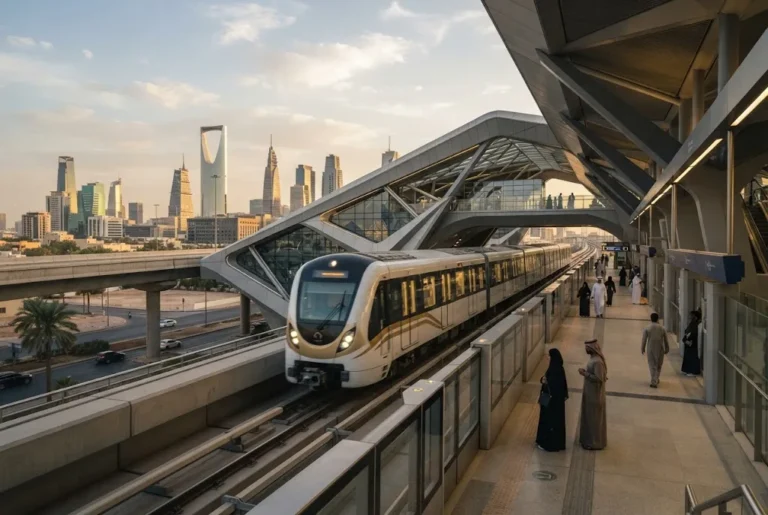
For visitors building a wider Riyadh itinerary, Diriyah can also be combined with other city attractions and transportation options. Our Riyadh Metro guide can help with planning how to move around the capital.
Bujairi Terrace Parking and Access
Parking arrangements at Diriyah can change as development continues, so visitors should check the official destination information before traveling.
The current official visitor information lists Bujairi Parking at SAR 10 per hour, with SAR 10 for each additional hour. It also lists valet arrangements linked to qualifying restaurant spending.
Access policies can also change seasonally. For example, the official Diriyah website currently lists complimentary access to Bujairi Terrace during a specified 2026 summer period, while other periods may use different access arrangements.
For this reason, visitors should use the official Diriyah channels for the latest access, parking and ticket information rather than relying on older blog posts or social media posts.
What to Wear and Bring
Diriyah is a destination where visitors will likely spend time walking between heritage areas, restaurants and outdoor spaces.
Comfortable footwear is therefore useful, particularly if you plan to explore At-Turaif before or after dining. During warmer months, lightweight clothing, sun protection and water can also make walking more comfortable.
For evening visits during cooler months, a light outer layer can be useful because outdoor dining and walking are an important part of the experience.
Photography at Diriyah
Diriyah offers some of the most distinctive architectural photography opportunities in the Riyadh area.
Look for compositions that combine traditional mud-brick forms with modern hospitality spaces. At sunset, warm light can emphasize the earth tones of Najdi-inspired architecture, while evening lighting creates a completely different atmosphere around Bujairi Terrace and At-Turaif.
Visitors should respect restrictions around photography inside museums, private spaces and restaurants and follow instructions from staff.
Diriyah’s Growing Cultural Calendar
Diriyah is increasingly being developed as a year-round cultural destination rather than simply a historic site.
The current 2025/26 Diriyah Season, for example, includes programs spanning heritage, food, storytelling, music, crafts, family activities and contemporary culture. The official program describes these experiences as part of Diriyah’s living heritage.
This means the experience can vary considerably depending on when you visit. A traveler returning to Diriyah in another season may encounter different events, dining experiences or cultural programming.
Diriyah Gate, Bujairi Terrace and the Future of Riyadh Tourism
Diriyah represents an important shift in how visitors can experience Saudi Arabia.
The destination does not treat heritage as something isolated from modern life. Instead, historic architecture, cultural programming, hospitality, dining, retail and contemporary experiences are being developed within the same wider destination.
Bujairi Terrace is an especially visible example of this approach. Its international restaurant offering sits directly within a setting designed around Saudi heritage, allowing visitors to experience global cuisine while remaining visually and geographically connected to Diriyah’s historic heart.
The result is a destination that can appeal to residents looking for an evening out as well as international travelers seeking a deeper introduction to Saudi culture.
Tips for Visiting Diriyah and Bujairi Terrace
- Check official Diriyah opening hours before visiting.
- Check the current restaurant lineup before choosing where to dine.
- Allow additional time if you want to explore At-Turaif.
- Wear comfortable footwear for walking.
- Consider visiting around sunset for a combined heritage and dining experience.
- Check current access and ticket requirements before traveling.
- Review current parking arrangements if arriving by car.
- Check the Diriyah events calendar for seasonal cultural programs.
- Make restaurant reservations when the venue requires them.
- Use official Diriyah channels for the latest visitor information.
Frequently Asked Questions About Diriyah Gate and Bujairi Terrace
What is Bujairi Terrace known for?
Bujairi Terrace is known for its collection of restaurants and cafés, Najdi-inspired surroundings and views toward the historic areas of Diriyah. It combines contemporary dining with a strong heritage setting.
Is Bujairi Terrace part of Diriyah?
Yes. Bujairi Terrace is part of the wider Diriyah destination and sits close to the historic At-Turaif district.
What is At-Turaif?
At-Turaif is the historic district of Diriyah and a UNESCO World Heritage Site. It was the seat of the Emirate of Diriyah and the capital of the First Saudi State.
Is Diriyah good for dining?
Yes. Diriyah has a growing collection of restaurants and cafés ranging from international concepts to Saudi-focused culinary experiences. Bujairi Terrace is one of its major dining destinations.
Can I visit Diriyah and Bujairi Terrace in one evening?
Yes. A short visit can combine a walk through the destination with dinner or coffee. However, visitors who want to explore At-Turaif in greater depth should allow more time.
How much time should I spend at Diriyah?
There is no single ideal duration. A restaurant-only visit can be relatively short, while combining At-Turaif, cultural attractions, Bujairi Terrace and dining can take several hours.
Does Bujairi Terrace have international restaurants?
Yes. The current official Bujairi Terrace directory lists multiple international restaurant and café concepts, while the wider Diriyah dining portfolio includes additional cuisines and Saudi culinary experiences.
Is Diriyah suitable for tourists visiting Riyadh?
Diriyah is particularly relevant for visitors interested in Saudi history, architecture, culture, dining and heritage. Its location within the Riyadh area also makes it practical to include in a broader city itinerary.
Final Thoughts
Diriyah Gate and Bujairi Terrace represent two sides of modern Diriyah: one rooted deeply in the history and architecture of the Kingdom, and the other focused on contemporary dining, hospitality and lifestyle.
The experience is strongest when visitors treat the two as connected rather than separate attractions. Explore the heritage of At-Turaif, notice the Najdi architectural details, learn about Diriyah’s role in Saudi history and then spend time at Bujairi Terrace enjoying the destination’s modern culinary scene.
As Diriyah continues to develop, its restaurant lineup, events, access arrangements and visitor facilities will continue to evolve. Check the official Diriyah website before your visit for the latest opening hours, access information, events, parking and dining options.
For travelers exploring more of Saudi Arabia after Riyadh, our AlUla heritage guide is a useful next step for discovering another destination where Saudi history and contemporary tourism meet.