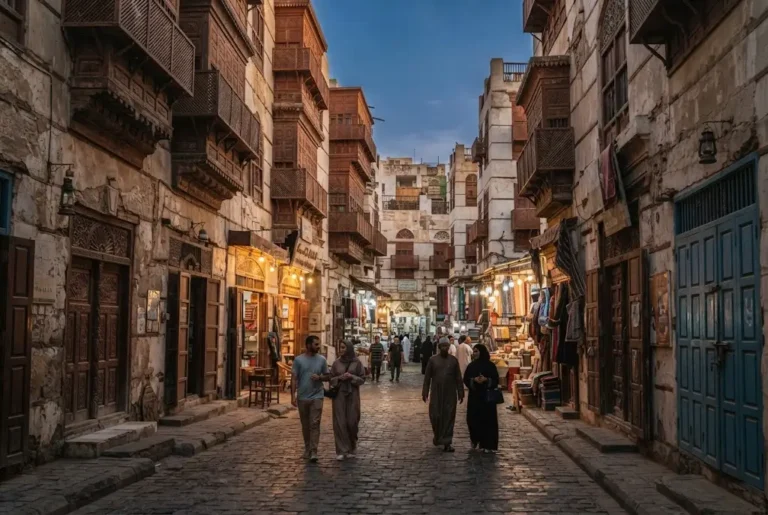
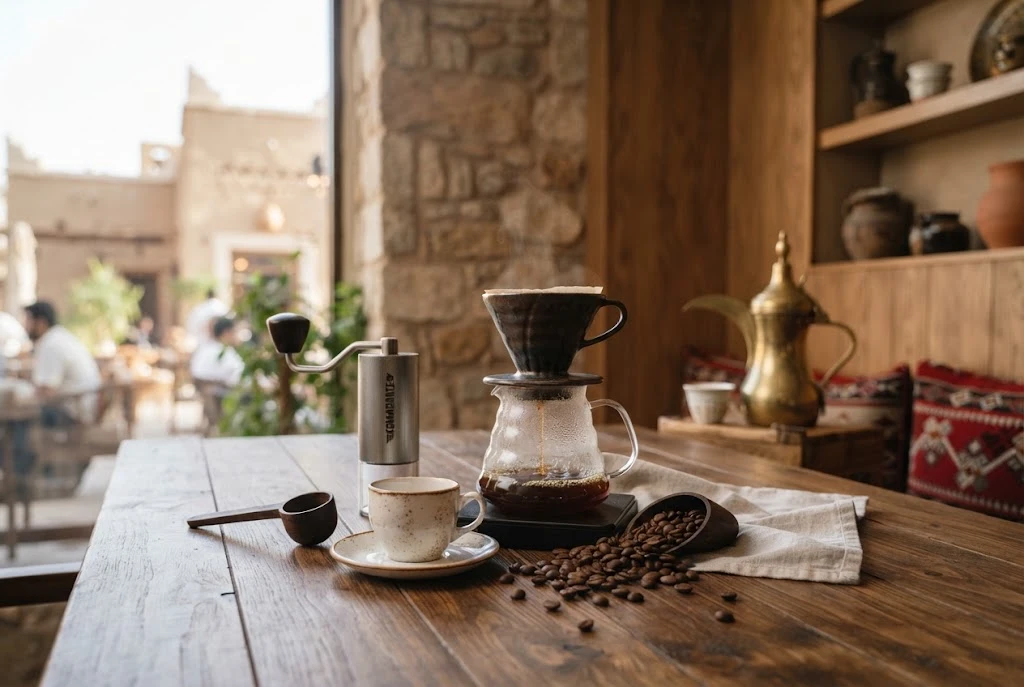
That makes Saudi Arabia an interesting destination for anyone who wants to understand coffee from both a culinary and cultural perspective.
What Is Saudi Specialty Coffee?
Saudi specialty coffee generally refers to coffee experiences centered on bean quality, origin, roasting, brewing and flavor. In a specialty café, the coffee may be served with information about its origin, processing method, variety and roast profile, allowing customers to understand what they are drinking rather than simply ordering a generic cup.
Saudi specialty coffee can involve locally produced Saudi beans as well as specialty beans sourced from other coffee-growing countries. The distinction is important: Saudi specialty coffee describes the specialty-coffee experience and industry in Saudi Arabia, while Saudi-grown coffee refers specifically to coffee cultivated within the Kingdom.
This creates an interesting market where local agricultural heritage and international specialty coffee practices can exist side by side.
Saudi Coffee vs. Saudi Specialty Coffee
The terms can sound similar, but they describe different aspects of the country’s coffee scene.
Saudi coffee traditionally refers to the coffee served as part of Saudi hospitality. It is commonly prepared using roasted and ground coffee and may include ingredients such as cardamom and other spices depending on the region and recipe.
Specialty coffee generally places greater emphasis on the characteristics of the bean, including origin, processing, roast development, extraction and flavor. Modern Saudi cafés may therefore serve coffee prepared using pour-over, espresso and other contemporary methods.
The two styles can be enjoyed independently or together. Experiencing both is one of the best ways to understand the breadth of coffee culture in Saudi Arabia.
Saudi Khawlani Coffee: The Kingdom’s Local Coffee Heritage
One of the most important parts of Saudi Arabia’s coffee story is Saudi Khawlani coffee. Coffee cultivation is concentrated in the mountainous highlands of Jazan, Asir and Al Baha, where farmers have maintained coffee-growing practices across generations. Saudipedia identifies these three provinces as the Kingdom’s main coffee-growing areas.
The Ministry of Culture also identifies Saudi Khawlani coffee beans as an original Saudi product and highlights their connection with cultivation, preparation and hospitality.
For coffee lovers, this makes Saudi-grown beans particularly interesting because their story begins in the Kingdom itself, from agricultural terraces and mountain farms to roasting and brewing.
Where Is Saudi Coffee Grown?
Saudi coffee cultivation is particularly associated with the southwest of the Kingdom. The mountainous terrain of Jazan, Asir and Al Baha provides the agricultural environment in which Saudi coffee has traditionally been cultivated.
In Jazan, for example, coffee-growing communities have maintained knowledge and techniques passed between generations. Official Saudi culinary material describes Khawlani coffee cultivation in mountainous areas and highlights the continuation of traditional farming knowledge.
This agricultural heritage gives Saudi coffee a strong connection to place, which is an important characteristic for modern specialty coffee consumers who increasingly want to know where their beans come from.
What Makes Khawlani Coffee Different?
Saudi Khawlani coffee is associated with distinctive agricultural and sensory characteristics. Official Saudi sources describe the beans as having a characteristic aroma and note the traditional cultivation practices used by farmers in the southern regions.
The cultivation process itself is part of the appeal. Coffee trees are grown in mountainous agricultural areas, with farming knowledge passed through generations. This connection between origin, farming and preparation gives locally grown coffee a story that extends beyond the finished cup.
For consumers buying Saudi-grown beans, checking the stated origin and producer information can help distinguish locally cultivated coffee from beans imported into Saudi Arabia and roasted by a Saudi company.
How Saudi Specialty Coffee Is Roasted
Roasting is one of the most important stages in developing a coffee’s flavor. Specialty roasters adjust the roasting process according to the characteristics they want to bring out in the beans.
Modern specialty coffee often places emphasis on lighter roasting and controlled development. The Saudi Culinary Arts Commission identifies light roasting and precise brewing among characteristics of the country’s developing specialty coffee scene.
Lighter roast profiles can allow more of the bean’s origin characteristics to remain noticeable, while other roast profiles can emphasize sweetness, body or deeper roasted flavors. There is no single roast level that is automatically appropriate for every bean; the choice depends on the coffee and the intended flavor profile.
Popular Specialty Coffee Brewing Methods
One reason specialty coffee is appealing is the variety of ways the same beans can be prepared.
Pour-Over Coffee
Pour-over brewing gives the brewer considerable control over water flow, extraction and brewing time. It is commonly used when the goal is to highlight the aroma and detailed flavor characteristics of a coffee.
Espresso
Espresso uses finely ground coffee and pressure to produce a concentrated drink. Specialty cafés often use carefully calibrated espresso machines and grinders to achieve a consistent extraction.
Cold Brew
Cold brew is prepared using cool or room-temperature water over an extended period. It generally produces a smoother, less immediately acidic style of coffee and can be particularly appealing in Saudi Arabia’s warmer climate.
Other Brewing Methods
Depending on the café, customers may also find methods such as French press, AeroPress or other manual brewing techniques. Availability varies from one coffee shop to another.
How to Choose Saudi Specialty Coffee Beans
If you are buying beans rather than ordering a prepared drink, several details can help you choose.
Check the Origin
Look for the country, region, farm or producer listed on the packaging. If you specifically want Saudi-grown coffee, check that the beans are identified as being cultivated in Saudi Arabia rather than simply roasted locally.
Look at the Processing Method
Washed, natural and honey processing can produce different flavor characteristics. The processing method can therefore be useful when comparing two specialty coffees.
Consider the Roast Date
Freshness matters when buying roasted coffee. A clearly displayed roast date can help consumers understand when the beans were roasted and plan their use accordingly.
Choose a Roast Profile You Enjoy
Light, medium and darker roast profiles can produce different experiences. If you prefer floral, fruity or bright flavors, you may want to explore lighter specialty roasts. If you prefer deeper, more developed flavors, another roast profile may suit you better.
Saudi Specialty Coffee Shops and Café Culture
Saudi Arabia’s specialty coffee scene has developed significantly in major cities, with cafés becoming important spaces for socializing, working, meetings and enjoying food and beverages.
Modern Saudi coffee shops can differ considerably in atmosphere. Some emphasize minimalist interiors and manual brewing, while others combine coffee with desserts, breakfast, lunch or broader dining experiences.
For visitors, this means a specialty café can be more than a place to drink coffee. It can also provide a window into contemporary Saudi food culture.
Specialty Coffee in Riyadh
Riyadh has a particularly visible contemporary café scene. Specialty coffee shops can be found across different parts of the city, ranging from independent cafés to larger roasting businesses.
Visitors exploring Riyadh can combine coffee stops with restaurants, shopping, cultural destinations and entertainment. For transport planning around the city, see the Riyadh Metro complete guide.
Specialty Coffee in Jeddah
Jeddah’s diverse food scene also provides a strong environment for specialty coffee. Travellers can combine modern cafés with the city’s historic areas, restaurants and Red Sea attractions.
Those planning a wider Jeddah itinerary can explore DearSaudi’s future food and destination coverage for more locally focused recommendations.
Traditional Saudi Coffee and Its Flavor
Modern specialty coffee is only one side of Saudi Arabia’s coffee culture. Traditional Saudi coffee remains an important part of hospitality and is prepared differently from the espresso and pour-over drinks commonly found in specialty cafés.
Traditional Saudi coffee may be lightly roasted compared with some other coffee traditions and is often prepared with cardamom and, depending on regional practice, additional spices. The Ministry of Culture emphasizes that preparation and presentation can vary across the Kingdom’s regions.
This regional diversity is worth exploring because there is no single preparation that represents every Saudi household or region.
Saudi Coffee Etiquette
Coffee in Saudi Arabia is closely connected with hospitality, so visitors may encounter traditional serving customs that are different from those used in a modern specialty café.
Traditional coffee is commonly served in a small finjan from a dallah. The Ministry of Culture describes serving coffee with the right hand and the traditional gesture of gently shaking the cup when a guest has finished.
Dates are also closely associated with Saudi hospitality and are frequently served alongside coffee.
For visitors, the most useful approach is simply to observe the host and follow the setting. The experience is about hospitality and social interaction as much as the drink itself.
Traditional Saudi Coffee Equipment
The preparation of Saudi coffee involves distinctive tools that have become recognizable elements of the Kingdom’s food heritage.
- Dallah: The traditional coffee pot used for serving.
- Finjan: The small cup traditionally used for drinking coffee.
- Mehmas: A traditional tool associated with roasting coffee beans.
- Najr: A traditional mortar used for grinding coffee.
- Mihbash: A traditional implement associated with grinding and preparation.
These tools form part of the wider preparation ritual and demonstrate how coffee has developed into a cultural practice rather than simply a beverage.
Saudi Coffee Culture and Food Pairings
Coffee is closely connected with other parts of Saudi food culture. Traditional Saudi coffee is commonly served with dates, while modern specialty cafés may pair coffee with pastries, desserts, breakfast dishes or other contemporary foods.
The combination of coffee and dates has particular cultural significance in Saudi hospitality. The Ministry of Culture identifies dates as closely associated with Saudi coffee and hospitality traditions.
For visitors, trying coffee with dates is one of the simplest ways to experience an important Saudi food tradition while also appreciating the contrast between traditional and contemporary café culture.
Saudi Specialty Coffee for Coffee Lovers
If you are particularly interested in specialty coffee, Saudi Arabia offers several ways to explore the subject beyond ordering a standard latte.
- Try a single-origin pour-over.
- Ask about the coffee’s country or farm origin.
- Look for Saudi-grown Khawlani beans.
- Compare different roast profiles.
- Try the same coffee using different brewing methods.
- Ask the barista about processing and tasting notes.
- Visit a local roastery if one is available in your destination.
- Experience traditional Saudi coffee alongside modern specialty coffee.
This approach lets you experience the technical side of specialty coffee while also understanding the local context in which coffee is consumed.
Saudi Coffee and AlUla
Coffee can also become part of a broader food and cultural itinerary in AlUla. The destination combines historic settlements, archaeological sites, contemporary hospitality and restaurants and cafés within a dramatic desert landscape.
If you are visiting AlUla, our AlUla Old Town heritage guide can help provide context before exploring the historic settlement. Coffee and dining can then be combined naturally with heritage sightseeing.
Saudi Specialty Coffee and the Growth of the Local Coffee Industry
The development of specialty coffee in Saudi Arabia is not simply a café trend. Official Saudi culinary-sector research identifies specialty coffee as an emerging sector connected with quality, sustainability, origin and local entrepreneurship. It also notes the growth of Saudi coffee shops offering single-origin beans, lighter roasting and precise brewing.
At the agricultural end of the industry, Saudi Arabia continues to highlight the cultivation of local coffee in its southern regions. Saudipedia identifies Jazan, Asir and Al Baha as the country’s main coffee-growing areas.
These two developments create an interesting coffee ecosystem: locally grown beans and agricultural heritage on one side, and modern roasting, café culture and specialty brewing on the other.
How Saudi Specialty Coffee Differs From International Café Culture
Saudi specialty coffee shares many characteristics with specialty coffee scenes around the world. Customers can encounter single-origin beans, modern grinders, manual brewing, espresso and detailed information about coffee origin.
What makes the Saudi scene distinctive is the cultural environment surrounding it. Coffee already has a strong place in Saudi hospitality, and the country’s own coffee-growing regions provide a local agricultural story that complements the international specialty coffee movement.
As a result, a coffee enthusiast can experience two very different but connected traditions in the same country: carefully brewed specialty coffee in a contemporary café and traditional Saudi coffee served as part of hospitality.
Tips for Exploring Saudi Specialty Coffee
- Ask whether the coffee is locally grown or imported and roasted in Saudi Arabia.
- Look for information about origin and processing.
- Try a pour-over if you want to explore the bean’s flavor characteristics.
- Ask the barista about roast level and recommended brewing method.
- Compare a specialty coffee with traditional Saudi coffee to understand the difference.
- Try Saudi Khawlani coffee when you find a clearly identified local source.
- Pair traditional Saudi coffee with dates.
- Explore local roasteries rather than limiting your experience to large café chains.
- Check current café information before travelling because menus, locations and opening arrangements can change.
Where Coffee Fits Into a Saudi Food Journey
Coffee is an easy way to connect different parts of Saudi Arabia’s food culture. A visitor can start the day with specialty coffee, explore local restaurants for lunch and experience traditional Saudi coffee and dates later in the day.
In Riyadh, coffee can be combined with the city’s growing restaurant and lifestyle scene. In Jeddah, it can become part of a wider food and coastal itinerary. In AlUla, it can complement heritage and cultural exploration.
For broader Saudi travel planning, DearSaudi provides destination, food, culture and practical information for visitors and residents exploring the Kingdom.
Frequently Asked Questions About Saudi Specialty Coffee
What is Saudi specialty coffee?
Saudi specialty coffee refers to the growing specialty coffee scene in Saudi Arabia, including quality-focused beans, modern roasting, brewing methods, specialty cafés and local coffee products. It exists alongside the Kingdom’s traditional coffee culture.
What is Saudi Khawlani coffee?
Saudi Khawlani coffee is locally cultivated coffee associated particularly with the mountainous regions of southern Saudi Arabia, including Jazan, Asir and Al Baha. It is an important part of the Kingdom’s coffee-growing heritage.
Is Saudi coffee the same as specialty coffee?
No. Traditional Saudi coffee is a specific hospitality and preparation tradition, while specialty coffee focuses more strongly on bean quality, origin, roasting and brewing. Both are important parts of Saudi Arabia’s wider coffee landscape.
Where can I experience specialty coffee in Saudi Arabia?
Specialty cafés and roasteries operate in major Saudi cities, including Riyadh and Jeddah. The exact cafés available can change, so visitors should check current local listings and café information before visiting.
What is traditionally served with Saudi coffee?
Dates are strongly associated with Saudi coffee and hospitality. Modern cafés may also offer pastries, desserts and other food pairings depending on their concept.
Final Thoughts
Saudi specialty coffee represents a fascinating meeting point between modern food culture and one of the Kingdom’s oldest hospitality traditions. Contemporary cafés are introducing customers to single-origin beans, new roasting approaches and precise brewing, while Saudi-grown Khawlani coffee connects the modern industry with generations of agricultural knowledge.
For anyone interested in coffee, the best way to experience Saudi Arabia’s coffee scene is to explore both sides. Taste specialty coffee in a contemporary café, learn about locally grown beans, and then experience traditional Saudi coffee served with dates in a hospitality setting.
Together, these experiences show why coffee remains such an important part of Saudi Arabia’s food culture—and why the country’s specialty coffee scene is becoming an increasingly interesting part of its culinary identity.