
The best time to visit Saudi Arabia depends on what you want from your trip, but for most visitors the answer is straightforward: the cooler months, roughly October through April, offer the most comfortable weather for exploring cities, deserts, and the coast. Saudi Arabia is a large country with deserts, mountains, and a long Red Sea coastline, so conditions vary by region and by season. This guide explains the best time to visit Saudi Arabia by season and by region, when to go for diving, desert trips, and city sightseeing, and what to watch out for when you plan, so you can choose dates that suit your trip rather than simply picking the cheapest flight.
Best Time to Visit Saudi Arabia at a Glance
For a first trip that mixes cities, heritage sites, and the coast, the cooler months are the easiest choice. Days are warm and pleasant rather than punishingly hot, evenings are cooler, and walking around historic districts, markets, and outdoor sites is genuinely enjoyable. This is also when outdoor activities, desert excursions, and coastal trips are at their most comfortable, and when many events and festivals take place.
Summer, roughly May through September, is a different kind of trip. The heat is intense, especially in the interior and in cities such as Riyadh, and outdoor sightseeing in the middle of the day becomes hard work. That does not mean summer travel is impossible: coastal resorts, air-conditioned museums and malls, and early-morning or evening outings still work well, and the Red Sea itself stays warm for swimming. If you travel in summer, plan your days around the heat, drink plenty of water, and keep the most active sightseeing for the cooler parts of the day.
The shoulder months at either end of the cooler season, October and April in particular, are often a good compromise. The weather is generally comfortable, crowds can be thinner than in the middle of winter, and you still get the benefits of the cooler season without the peak-season rush. If your dates are flexible, these months are well worth considering.
Visiting in the Cooler Months: October to April
The cooler months are the classic season for Saudi Arabia, and for good reason. In Riyadh, walking between museums, historic sites, and modern districts is far more pleasant than in summer, and an evening out feels like part of the trip rather than a test of endurance. Our guide to things to do in Riyadh covers the capital in detail, and it is best enjoyed when you can comfortably spend a full day outdoors.
The same applies to Jeddah. The historic Al-Balad district, with its coral-stone houses and souqs, rewards slow walking and lingering, which the cooler months make easy. Our Jeddah Al-Balad guide walks through the old town, and pairing it with our broader guide to things to do in Jeddah gives you a full picture of the city. In the cooler months you can also enjoy the Corniche and the waterfront in the evening, when families gather and the sea breeze makes the city feel at its liveliest.
Desert and heritage trips also come into their own in the cooler season. AlUla, with its ancient tombs and desert landscapes, is best explored on foot and by guided tour, and both are far more enjoyable when the heat is moderate. Our guide to Hegra in Saudi Arabia covers the ancient Nabataean tombs, a highlight that deserves an unhurried visit rather than a rushed stop in extreme heat.
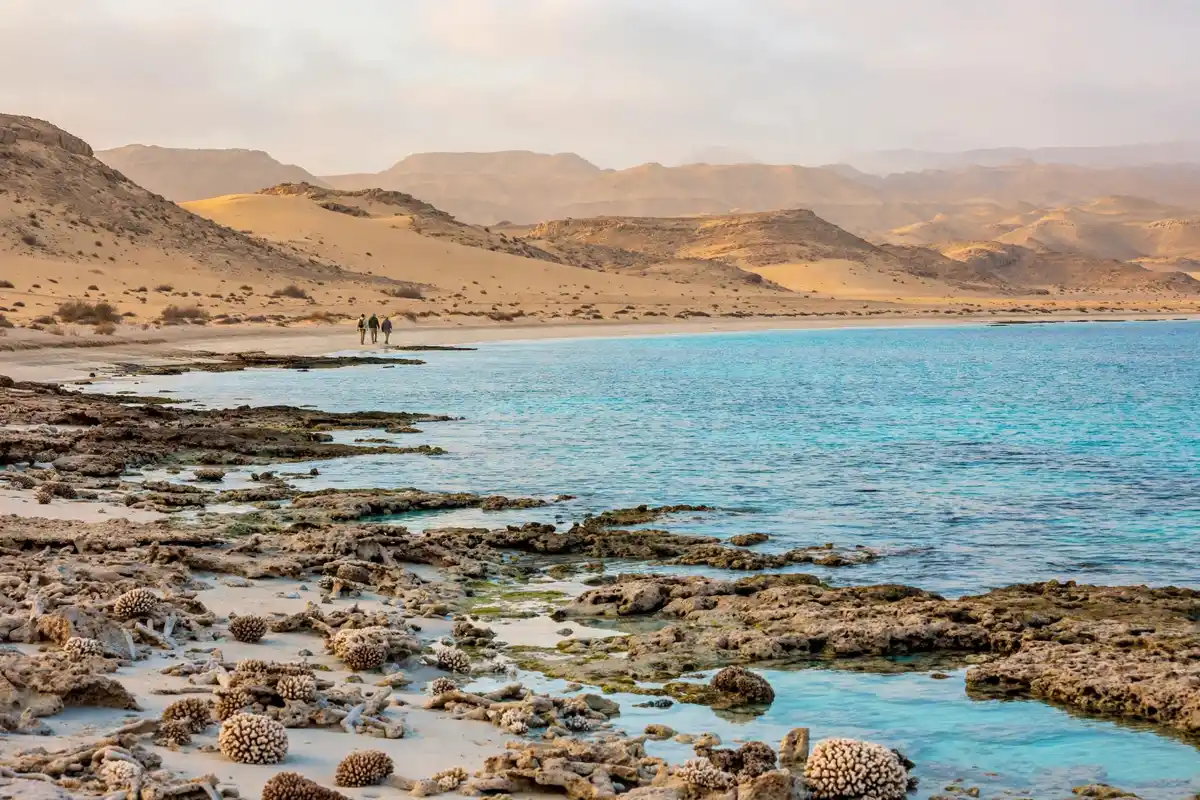
For the Red Sea, the cooler months are an excellent time to visit. The sea is warm enough for snorkelling and diving for much of the year, and the cooler air makes beach days, boat trips, and island visits more comfortable. If you are considering the new luxury developments on the coast, our guide to the Red Sea Project in Saudi Arabia explains what is open and what to check before booking, while our guide to Red Sea islands luxury travel covers the island side of the region. As with any new destination, check current openings before you book, whatever the season.
Visiting in Summer: May to September
Summer in Saudi Arabia is hot, and visitors should plan honestly around that fact. In the interior, daytime temperatures climb high, and sightseeing on foot in the middle of the day is uncomfortable and, for some travellers, unwise. Cities still function, with air-conditioned transport, hotels, restaurants, and attractions, but the rhythm of the day changes: early mornings and evenings become the active hours, and the middle of the day is for rest, indoor attractions, and shade.
The coast offers some relief, because the sea breeze and the water itself make Red Sea days more bearable than desert days, but humidity on the coast can still be heavy, and sun protection becomes essential rather than optional. If you visit in summer, choose accommodation with good cooling, plan boat trips and outdoor activities for the morning, and keep a flexible itinerary so you can move plans if the heat makes a day harder than expected.
Summer does have advantages. Accommodation and flights can be easier to find, popular sites are quieter, and if your trip centres on resorts, diving, or indoor attractions, the season may suit you well. The key is to match the trip to the season: a summer trip built around the sea, pools, and air-conditioned culture works; a summer trip built around long desert hikes and full days of walking in the interior does not.
Best Time by Region
Riyadh and the interior are at their best in the cooler months, when the desert air is crisp and city walking is comfortable. Winter evenings in Riyadh, in particular, are a pleasure, and this is when the capital feels most outdoors-oriented. Summer visits to the interior are possible but need careful planning around the heat.
Jeddah and the Red Sea coast are more forgiving across the year, because the sea moderates the climate, but the cooler months are still the most comfortable for combining beach time with city sightseeing. The historic districts, markets, and waterfront are all best enjoyed when you can walk for hours without the heat forcing you indoors.
AlUla and the north-west desert are classic cooler-season destinations. The landscapes are extraordinary, but they are exposed, with little shade, so the difference between a comfortable visit and a punishing one is largely a matter of season. If AlUla is a priority, put it in the cooler months and give it enough days to explore at a relaxed pace.
Mountain areas in the south-west, by contrast, are known for cooler summers than the rest of the country, which is why some travellers head there when the lowlands are at their hottest. If you are planning a longer trip that includes the mountains, the seasonal pattern is reversed, so check regional conditions rather than assuming one season suits the whole country.
Best Time for Activities
For snorkelling and diving, the Red Sea is rewarding for much of the year, with warm water and good visibility in many months. The cooler months add comfortable air temperatures to that picture, making boat days and beach time more pleasant overall. If diving is the main purpose of your trip, check seasonal guidance for your chosen sites and activities, since conditions vary by location and by time of year.
For desert trips, heritage walks, and city sightseeing, the cooler months win clearly. Walking, photography, and guided tours are all better when the weather allows you to stay outdoors for hours. For festivals and major events, the cooler months are also when the calendar is busiest, with entertainment seasons and cultural events tending to cluster in the winter half of the year, so check what is on during your dates.
For a beach and resort holiday, the Red Sea works across a wider window, and the choice comes down to how much heat you are happy with and whether you prefer quieter resorts or the buzz of the peak season. Families with school-age children often travel in school holidays, which may fall in hotter months, so in that case choose coastal resorts, plan around the heat, and keep days flexible.
Ramadan, Crowds, and Practical Timing
Ramadan is an important consideration when choosing dates, because the month moves each year and daily rhythms change during it. Restaurants may have different hours, daytime eating in public is restricted, and evenings become lively after sunset. Visiting during Ramadan can be a rewarding cultural experience, but it is a different kind of trip from a standard sightseeing holiday, so check the dates for your year and decide whether that experience is what you want.
Crowds also vary by season. The cooler months bring more visitors, especially around major holidays and events, so book accommodation and popular tours early if you travel then. Summer and the shoulder months are quieter, which can mean easier bookings and a more relaxed pace, at the cost of hotter weather.
Whatever season you choose, sort the practicalities early. Check visa requirements for your nationality well in advance, and read our Saudi tourist and transit eVisa guide for the main options and steps. Confirm transfers and bookings in writing, especially for desert trips and new coastal resorts, where logistics are still developing. Pack for the season you are actually travelling in: light, breathable clothing and strong sun protection are essential all year, with a layer for cooler desert evenings in winter.
So, When Should You Go?
For most visitors, the best time to visit Saudi Arabia is between October and April, when the weather suits cities, deserts, heritage sites, and the coast alike. If you can only travel in summer, choose the coast, plan around the heat, and keep your itinerary flexible. If your dates are flexible, the shoulder months of October and April offer a good balance of comfortable weather and thinner crowds.
Saudi Arabia rewards unhurried travel, and the season you choose shapes the trip more than almost any other decision. Pick the season that fits your plans, check the practical details before you book, and you will get far more from the country than a trip that fights the weather from start to finish.
Plan the Rest of Your Saudi Trip
Once you have picked your season, the rest of the planning falls into place. Start with our Saudi Arabia travel tips for first-time visitors, then time your trip around the celebrations in the festivals and events guide. On the coast, the Red Sea Project is reshaping where visitors stay, and no trip is complete without tasting the dishes in our guide to traditional Saudi food. For city time, see things to do in Riyadh and things to do in Jeddah.


