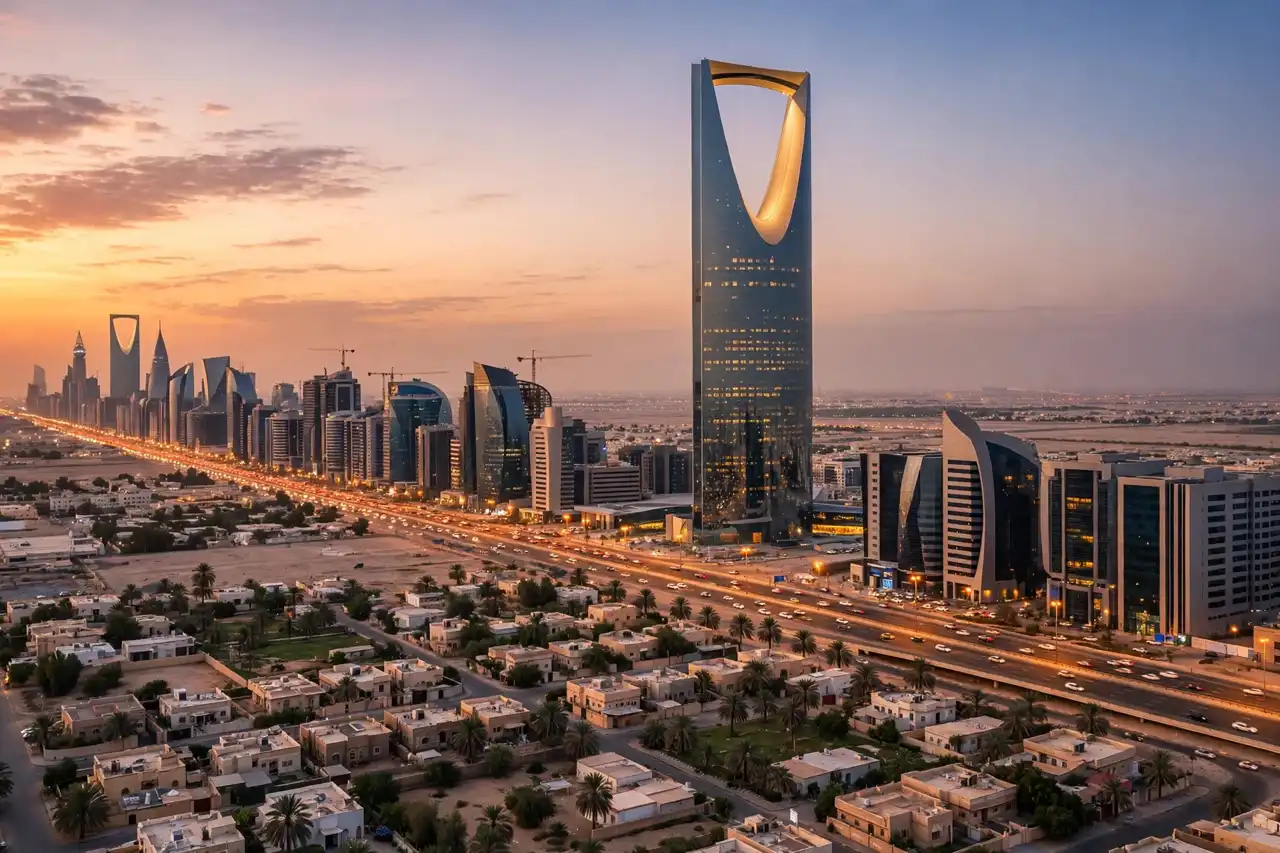
Riyadh has become one of the Gulf’s biggest draws for professionals, and the first question most newcomers ask is what daily life actually costs here. The honest answer is that the cost of living in Riyadh sits comfortably below Dubai or Doha for most households, but it varies enormously depending on your housing choice, your lifestyle and whether school fees land on your own budget. This guide breaks down the main monthly expenses — rent, food, transport, utilities and leisure — with realistic 2026 price ranges so you can build a budget before you arrive.
All figures are in Saudi riyals (SAR) and are typical ranges rather than fixed prices. Rents and consumer prices move over time, so treat the numbers below as a planning framework and check current listings for your exact neighbourhood before signing anything.
Rent: The Biggest Part of the Cost of Living in Riyadh
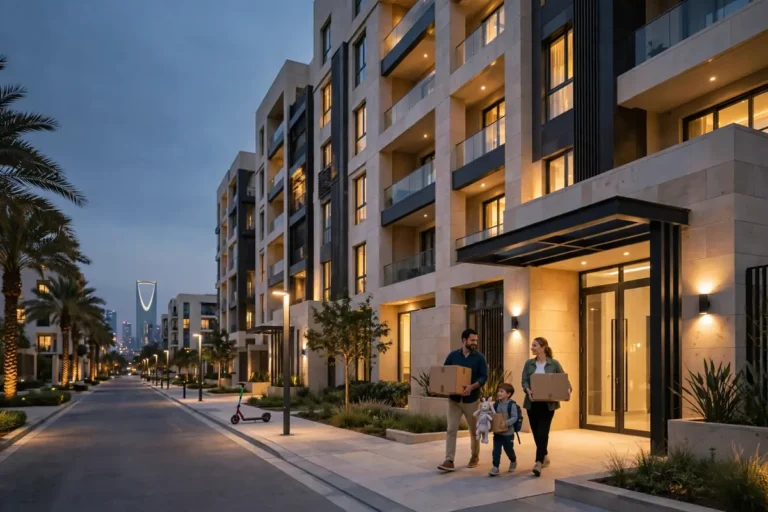
Housing will decide whether Riyadh feels cheap or expensive. A studio or one-bedroom apartment in a mid-range district such as Al Narjis, Al Aqiq or Al Malqa typically rents for around SAR 1,800 to 3,500 per month, with newer buildings and furnished units at the top of that range. Two and three-bedroom apartments in popular family areas generally run from SAR 3,500 to 6,000 per month.
Villas and compound living cost considerably more. A villa in a western-style residential compound — with shared pools, gyms and security — can range from SAR 8,000 to 18,000 per month, and large premium compounds go higher. Independent villas outside compounds are cheaper, often SAR 5,000 to 9,000, but you arrange your own maintenance and facilities.
Most landlords expect rent in one or two annual payments, although monthly payment plans through rental platforms are becoming more common. If you are still choosing where to base yourself, our guide to things to do in Riyadh gives a feel for the districts newcomers tend to shortlist, and weekends spent exploring areas such as Diriyah and Bujairi Terrace help you judge commute distances in real traffic.
Food, Groceries and Dining Out
Grocery costs depend on how much you cook and how many imported brands you buy. A single person who cooks most meals at home usually spends around SAR 1,200 to 2,000 per month at supermarkets such as Tamimi, Carrefour, Panda or Lulu. Families of four typically spend SAR 3,500 to 5,500. Locally produced dairy, bread, chicken and seasonal vegetables are good value; imported cheeses, specialty items and premium cuts of meat push the bill up.
Eating out is a national pastime and suits every budget. A shawarma or local cafeteria meal costs SAR 15 to 35, a casual restaurant main course SAR 40 to 80, and a mid-range dinner for two lands around SAR 200 to 350. Riyadh’s coffee scene is famously serious — expect SAR 15 to 25 for a specialty coffee — and if that is your weakness, our Saudi specialty coffee guide maps out the roasters worth the money.
Transport: Metro, Ride-Hailing and Driving
Transport is where Riyadh has changed most. The Riyadh Metro’s six lines now cover the city’s main corridors, and standard fares start from around SAR 4 for a two-hour pass, with weekly and monthly Darb passes that make commuting very cheap by Gulf standards. Our complete guide to riding the Riyadh Metro explains lines, stations and Darb cards in detail.
Ride-hailing apps such as Uber and Careem are widely used; a cross-city trip typically costs SAR 30 to 60 depending on distance and surge pricing. If you drive, fuel remains affordable at roughly SAR 2.2 per litre, but factor in car rental or loan payments, insurance and maintenance — owning a car usually totals SAR 1,500 to 3,000 per month all-in for a modest vehicle. Many newcomers combine the metro for commuting with ride-hailing for evenings, which keeps transport under SAR 600 a month.
Utilities, Internet and Mobile Bills
For a one or two-bedroom apartment, electricity and water bills together typically run SAR 250 to 600 per month. Summer is the expensive season: air conditioning runs almost around the clock from May to September, and large villas can see electricity bills well above SAR 1,000 in peak months. Newer buildings with better insulation fare noticeably better.
Home fibre internet from providers such as stc costs around SAR 200 to 300 per month for fast packages, and prepaid or postpaid mobile plans with generous data run SAR 60 to 150 per month. Budget roughly SAR 350 to 500 per month for connectivity across a household.
Healthcare, Leisure and Everyday Extras
Healthcare rarely troubles the budget directly because private-sector employees must be covered by employer-arranged health insurance, and premiums are normally paid by the employer. What you may still pay for are small co-payments on consultations and prescriptions, plus anything outside your policy — dental work, optical care and elective treatments are the usual gaps, so keep a modest buffer if you expect to use them.
Leisure spending is where budgets quietly inflate. A gym membership runs roughly SAR 250 to 500 per month, cinema tickets around SAR 50 to 70, and streaming and gaming subscriptions add up across a household. Riyadh’s expanding calendar of festivals, concerts and seasonal events is tempting: residents who attend something most weekends should budget an extra SAR 400 to 800 per month for tickets, food and transport. Families also rate the city’s growing list of weekend options — our guide to things to do in Riyadh is a good planning starting point.
Sample Monthly Budgets
Putting it together, a single professional renting a one-bedroom apartment, cooking most meals and commuting by metro and ride-hailing can live comfortably on roughly SAR 6,000 to 9,000 per month, excluding savings and flights home. A couple in a two-bedroom apartment, dining out weekly, typically spends SAR 9,000 to 14,000.
Families face one outsized cost: international school fees, which commonly range from SAR 25,000 to 70,000 per child per year depending on the school. Many employers in Saudi Arabia cover schooling and housing allowances, so check your package carefully — whether these two items sit inside or outside your salary changes the real cost of living in Riyadh more than anything else. Healthcare is usually provided through employer-arranged insurance, which is mandatory for private-sector employees.
Keeping Your Budget Under Control
A few habits make a real difference. Choose your district for commute first and prestige second — a cheaper apartment that adds an hour of daily ride-hailing can cost more overall. Shop local brands at hypermarkets for staples and save imported treats for weekends. Use the metro where your route allows it, and time your move for the cooler months if you can: arriving in winter, when the city is at its best, also helps you settle before summer utility bills peak. Our guide to the best time to visit Saudi Arabia explains the seasons if you are timing a relocation or a first scouting trip.
Finally, if you are coming on a visit first to test the waters, the entry side is straightforward for many nationalities — our Saudi tourist and transit eVisa guide covers the requirements. Riyadh rewards those who plan: get the housing and schooling questions answered early, and the rest of the monthly budget tends to fall into place.
More Guides for Life in Riyadh
Budgeting is easier when you understand the city. Keep planning with these reads: