Every winter, the desert canyons around AlUla fill with music, light and visitors from around the world. Winter at Tantora is the festival that started it all: a season of concerts, cultural events, hot air balloons and desert dining set among some of the most dramatic landscapes in Saudi Arabia. If you are planning a trip to AlUla, this guide explains what Winter at Tantora is, when it runs, what to see, and how to plan a visit that is worth the journey.
The focus keyword here is Winter at Tantora, and the guide is written for a first-time visitor who wants the practical details alongside the atmosphere. AlUla is remote, the festival season is short, and the best experiences sell out early, so a little planning goes a long way.
What Is Winter at Tantora?
Winter at Tantora is AlUla’s flagship winter festival, held across several weeks in the cooler months, usually from December into February. Its name comes from the Tantora, the traditional sundial in AlUla Old Town that once told farmers when the winter season had begun. The festival takes that marker of the seasons and turns it into a celebration of heritage, music and desert life.
The programme mixes large open-air concerts at desert venues with smaller cultural experiences: heritage walks, craft markets, traditional performances, stargazing sessions and hot air balloon flights over the sandstone canyons at sunrise. Some events are free, many are ticketed, and the headline concerts are the ones that sell out first.
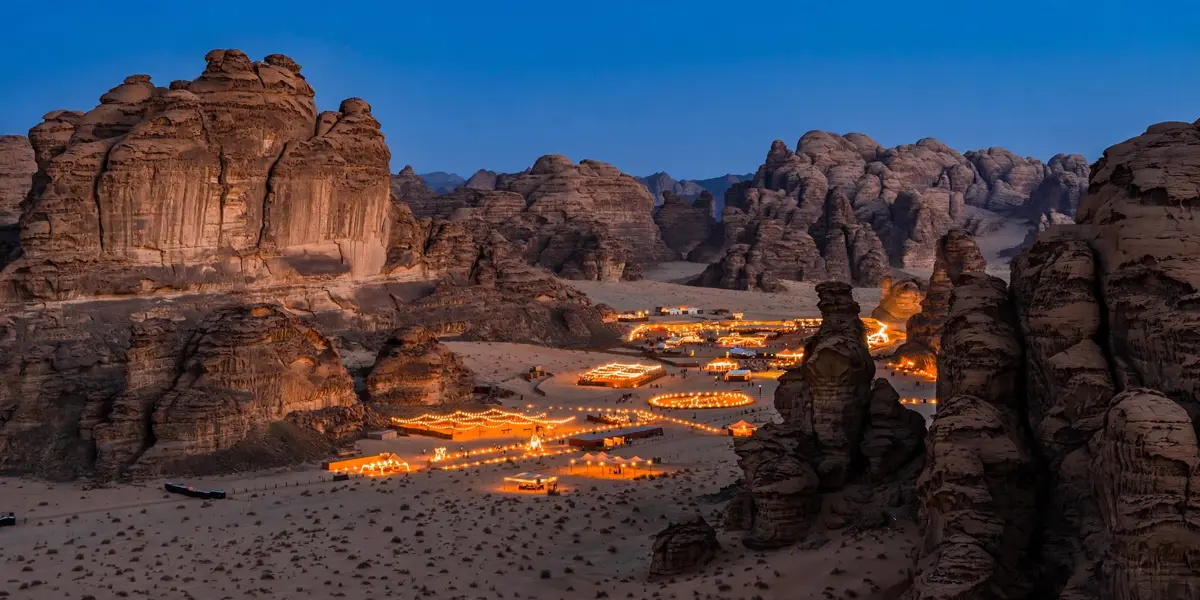
What makes the festival different from a city event is the setting. Concerts happen in natural amphitheatres between rock formations, dinner is served under open sky, and the drive between venues passes landscapes that look unchanged for centuries. The desert is not a backdrop here. It is the point.
When Does Winter at Tantora Run?
Dates change every year, and the full programme is usually announced a few months before the season opens. In recent years the festival has run from mid-December to late February, with events spread across weekends and the busiest weeks around the New Year period.
Do not book flights and hotels until the dates are confirmed. AlUla’s hotels are limited in number, and prices rise sharply once the programme is announced. The sweet spot is booking accommodation as soon as dates are published, then choosing events once the full schedule appears.
Weather is the other reason to check dates carefully. Daytime temperatures in AlUla during the festival season are usually 20 to 25 degrees, which is ideal for walking and sightseeing. Nights drop to 5 to 10 degrees, and desert venues get cold after sunset. Pack a proper jacket, not just a light layer, because an open-air concert at 9pm in January is genuinely cold.
The Experiences Worth Planning Around
Headline concerts are the heart of the festival. International and Arab artists perform at venues such as Maraya, the mirrored concert hall in the desert, and at open-air stages among the rocks. Tickets range widely in price, and the best seats go quickly. If a particular artist is the reason for your trip, book the concert before anything else.
Hot air balloon flights at sunrise are the second must-do. The balloons rise over the canyons as the light turns the rock gold, and the flight lasts about an hour. They are weather dependent and often fully booked weeks ahead. Book the earliest morning of your trip, so there is a spare day if your first flight is cancelled for wind.
Smaller experiences are where the festival feels most personal. Heritage walks through AlUla Old Town, craft workshops with local artisans, and traditional music sessions in the old town squares cost little and give you a sense of the place that a concert cannot. The desert stargazing sessions are also excellent, because AlUla has very little light pollution and the winter sky is exceptionally clear.
Dining is part of the programme too. Pop-up restaurants and desert dinners appear for the season, some run by well-known chefs. Book these in advance as well, because the best tables go as fast as the concerts.
Planning Your AlUla Trip Around the Festival
AlUla is about 300 kilometres from Madinah, and most visitors arrive through Prince Abdul Majeed bin Abdulaziz Airport in AlUla itself, or fly into Madinah and drive. The drive from Madinah takes around three hours on a good road. Car hire is the practical option once you are there, because festival venues are spread out and taxis are limited.
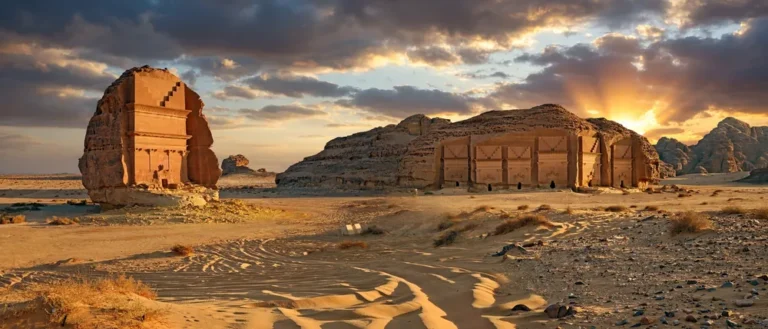
Plan at least three full days. One day for the festival events, one day for the heritage sites, and one day for the desert itself. Hegra, the Nabataean city and Saudi Arabia’s first UNESCO World Heritage site, deserves a full morning. Our guide to Hegra in Saudi Arabia explains what to see and how to book the visit, since access is by guided tour only.
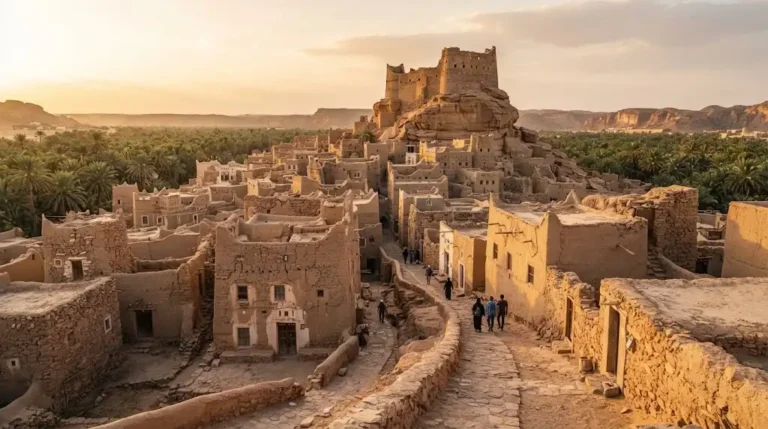
AlUla Old Town is the other essential stop. The mud-brick houses, the Tantora sundial itself and the views from the old town are the reason the festival carries the name it does. Read our AlUla Old Town guide before you go, so you know which corners to find and when the light is best.
The Saudi Arabia festivals and events guide puts Winter at Tantora in context with the other seasonal events across the Kingdom, which helps if you are choosing between festival dates. And if you are still deciding when to travel, our guide to the best time to visit Saudi Arabia compares the seasons region by region.
What It Costs
A Winter at Tantora trip is not a budget break, and it is better to know that before you book. Flights to AlUla, hotels during the festival and event tickets add up quickly. As a rough guide, a three-night trip for two people, including a mid-range hotel, a concert ticket each, a balloon flight and car hire, commonly costs SAR 5,000 to SAR 9,000, before international flights.
Hotels are the biggest single cost. AlUla has a small number of hotels, from luxury desert resorts to simpler guesthouses, and festival weekends push prices up. Booking early is the only reliable way to keep the cost down. Some visitors stay in Madinah and drive in for a day, but that means missing the evening events, which are the best part of the festival.
Free events help balance the budget. Heritage walks, markets and some performances cost nothing, and simply being in AlUla at sunset costs nothing at all. Mix one or two ticketed highlights with free experiences and the trip feels rich without emptying the wallet.
A Real Example: Three Days at the Festival
A couple from Riyadh drove to AlUla for the festival last season with a simple plan: one concert, one balloon flight and one day of heritage sites. They booked the hotel the week dates were announced, the concert a month later, and the balloon flight for the first morning of the trip.
The balloon flight was cancelled on the first morning because of wind, and because they had built in a spare day, they flew on the second morning instead. The concert was the highlight of the trip, but they both said the unexpected best moment was a free heritage walk in the old town on their last afternoon, when the guide explained how the Tantora sundial worked and the light turned the mud-brick walls gold.
Their advice to friends was simple. Book the hotel early, book the balloon for the first morning, bring a warm jacket, and leave one afternoon unplanned. The festival is worth the journey, but the place itself is half the experience.
Tips That Make the Difference
Book accommodation first, events second. Bring warm layers for the evenings, and closed shoes for walking on sand and rock. Hire a car rather than relying on taxis. Carry cash as well as cards, because small vendors at markets may not take cards. Drink water through the day even in winter, because the dry desert air dehydrates you quietly.
Respect the heritage sites. Do not climb on the old town walls or touch the rock carvings at Hegra, and follow your guide’s instructions. These places have survived for centuries, and the festival exists to celebrate them, not to wear them out.
If you want to understand the culture behind the festival before you arrive, our guide to Saudi Arabian culture and traditions explains the customs you will see in AlUla, and our guide to traditional Saudi food will help you order with confidence at the festival markets and restaurants.
Why Winter at Tantora Is Worth the Effort
AlUla is not an easy destination. It is remote, the season is short, and the best experiences need booking months ahead. But that is also what makes it special. Winter at Tantora is not a festival you stumble across. It is one you plan for, travel to, and remember for years.
Book early, dress warmly, leave space in the schedule for the unexpected, and let the desert do what it does best. The concerts will end, the balloons will land, and the thing you will talk about on the drive home is the silence of the canyons at sunset.